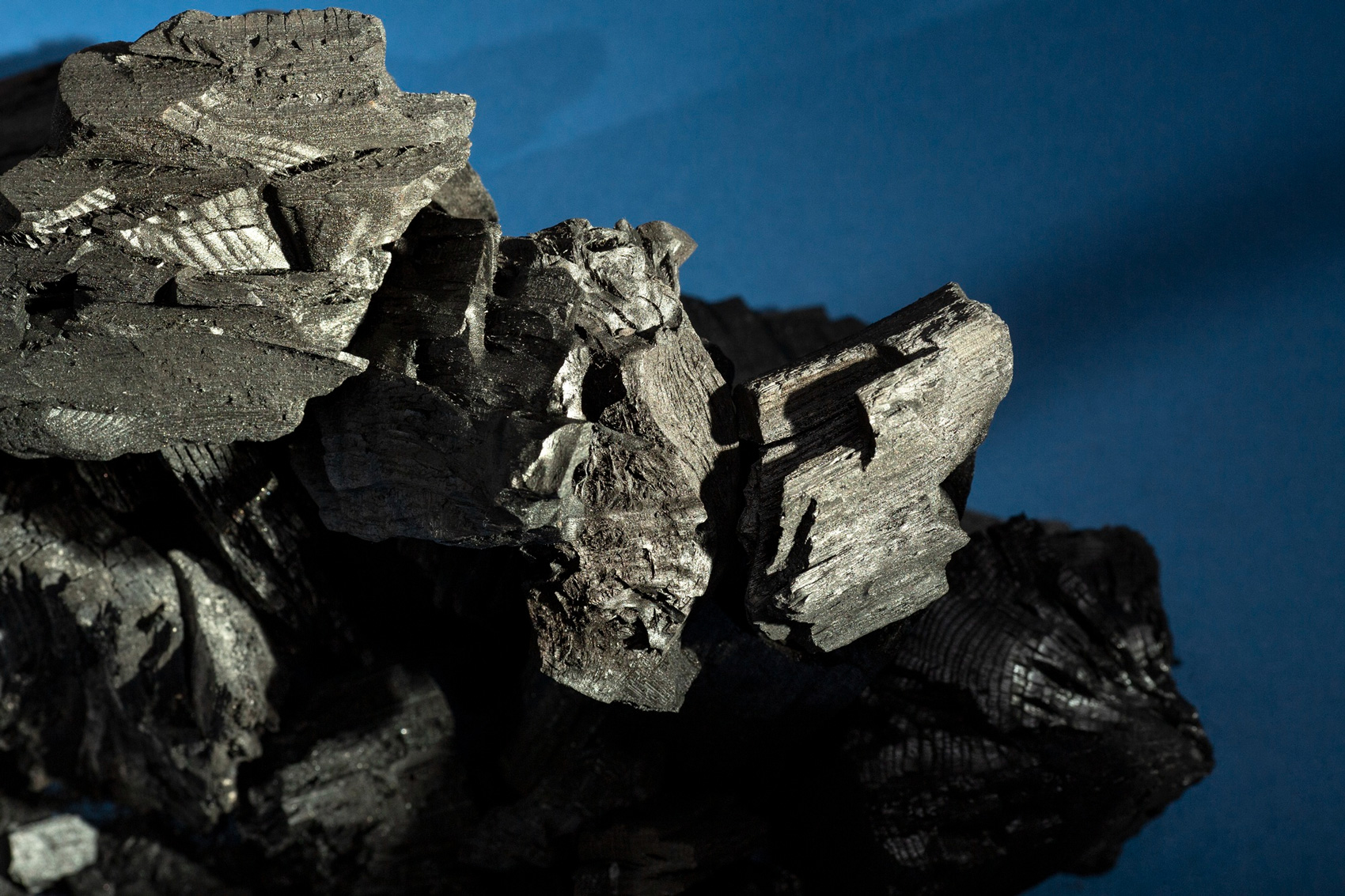
Targeted missions against mining fraud and smuggling.
Mapping risk areas and strengthening sanctions to protect state royalties and legal supply chains.
Read more


The General Inspectorate of Mines is the technical body of reference for improving the business climate in the extractive sector in the DRC.
We rigorously ensure compliance with the legislative and regulatory provisions of the Mining Code. Our actions aim to maximize state revenue while guaranteeing responsible mining operations for the benefit of the nation. Furthermore, we are implementing appropriate monitoring and control mechanisms to ensure the traceability of natural resources, promote transparency in transactions, and foster sustainable management of the mining sector, in accordance with environmental and social standards.
Thus, we are committed to ensuring mineral resource management that benefits all stakeholders equitably, while safeguarding the country's long-term interests.


Through this strategy, the IGM aims to:

Completing inspector recruitment, deployment across all 22 provinces where the IGM operates, and full transition from the former mining inspection body.
Modernising the mining cadastre, digitising production flows and implementing digital certification systems for greater transparency.
Targeted missions in high-risk areas, mapping illegal circuits, dismantling fraudulent networks and strengthening controls and sanctions.
Working with CTCPM, CAMI, SAEMAPE and provincial governments to harmonise data, organise joint missions and improve royalty management.
The IGM is structured into central and provincial administration, under the direction of the Inspector General and his deputy.
Leadership
Updates on inspection, cadastre and mining sector regulation.

Mapping risk areas and strengthening sanctions to protect state royalties and legal supply chains.
Read more
Deployment of teams and coordination with local authorities for more regular and better documented inspections.
Read more
The General Inspectorate of Mines ensures the control, regulation and supervision of the mining sector in the DRC: combating fraud and smuggling, cleaning up the production chain …
Read more
Towards dematerialised procedures and secure exchanges between IGM, CAMI and sector operators.
Read more


Irregularity observed? Contact the IGM.